


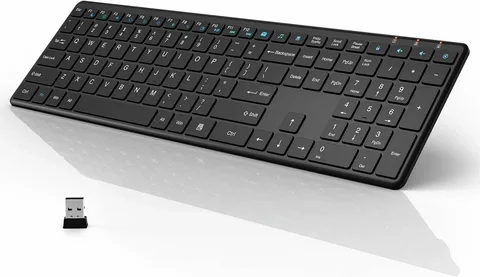
Keyboards have come a long way since their inception, evolving from simple typewriters to highly sophisticated, multifunctional devices. Among the various keyboard layouts, the full size keyboard has remained a constant in both professional and personal use. Its versatility has seen it adapt to the changing needs of users, whether for typing, gaming, or specialized tasks. This article explores the fascinating evolution of full-size keyboards, from their origins to the cutting-edge models used today in gaming, content creation, and beyond.
Early Beginnings: The Typewriter Influence
The full-size keyboard, as we know it today, has its roots in the typewriter. In the late 19th century, the typewriter revolutionized how people communicated through written word. Early keyboards were mechanical, featuring a standard set of keys for letters, numbers, and basic punctuation.
However, the design and layout of these early typewriter keyboards would go on to heavily influence the full-size keyboard in the digital age. The QWERTY layout became the standard, designed not only for functionality but to reduce mechanical jamming by separating frequently used keys. This innovation, combined with the introduction of electrical components in the 1930s, marked the beginning of the full-size keyboard’s transition into the digital era.
The Transition to Personal Computers
By the 1970s and 1980s, the advent of personal computers brought a new wave of change. The full-size keyboard began to evolve as a core input device for computers. Early computer keyboards were still mechanical in design but featured additional keys for tasks such as controlling the screen’s cursor or editing text.
The most significant breakthrough came with the introduction of the IBM Model M in 1984. Known for its robust mechanical switches and tactile feedback, the Model M set the stage for the future of typing and gaming keyboards alike. The full-size keyboard began to emerge as an essential tool for both business professionals and home users.
Functionality and Ergonomics: A New Era
As computers became a staple of everyday life, keyboard manufacturers began to focus more on comfort and user ergonomics. The evolution of full-size keyboards now catered not only to typists but also to long hours of computing and specialized tasks. Innovations like ergonomic split keyboards, adjustable height stands, and curved key layouts were introduced to improve comfort and reduce strain on the hands and wrists.
The Rise of Gaming Keyboards
By the late 1990s and early 2000s, the gaming industry saw explosive growth. This shift brought a new set of demands to the full-size keyboard. Gamers needed more than just the standard typing experience; they sought precision, speed, and a range of customizable features that would give them an edge in fast-paced digital environments.
The Mechanical Revolution
Enter mechanical keyboards. Although mechanical switches had been around since the early days of computers, they became a key feature in gaming keyboards in the 2000s. Unlike membrane switches, which use a rubber dome beneath each key, mechanical switches offered tactile feedback, faster response times, and greater durability. This made them ideal for gaming, where split-second decisions could mean the difference between victory and defeat.
The addition of programmable keys, RGB lighting, and customizable macros turned full-size keyboards into highly personalized tools for gamers. The use of high-end switches such as Cherry MX, Razer, and Romer-G further enhanced the experience by offering varying levels of actuation force, sound, and feedback.
Gaming Keyboards Today
Today, full-size gaming keyboards are highly specialized devices with features like RGB lighting, dedicated media controls, and programmable keys that allow gamers to customize their setup to suit their unique needs. In addition to mechanical switches, many gaming keyboards now include wireless functionality, with some offering a choice between wired and wireless modes for maximum flexibility.
Full-Size Keyboards Beyond Gaming: Content Creation and Professional Use
While gaming is one of the most prominent uses for full-size keyboards in modern times, other fields have also benefitted from this evolution. Content creators, programmers, and professionals in various industries are adopting keyboards with features designed to improve productivity and workflow.
The Role of Full-Size Keyboards in Content Creation
In content creation, efficiency is key. Full-size keyboards equipped with additional programmable keys, media control buttons, and custom macro options can help content creators streamline their work processes. For instance, video editors, musicians, and graphic designers can program their keyboards to perform complex tasks with a single keystroke, drastically improving their productivity.
Moreover, the durability and tactile feel of mechanical switches are highly appreciated in professions that require long hours of typing, such as writers and coders. The feedback and precision provided by modern full-size keyboards can reduce typing fatigue and increase overall comfort during long sessions.
Full-Size Keyboards for Programmers
Programmers have also seen significant benefits from the evolution of full-size keyboards. Keyboards designed with specific layouts and additional programmable buttons cater to the needs of those who code for hours on end. Many programming keyboards feature additional layers for code snippets, which can speed up repetitive tasks. Some even come with integrated displays that show important system information or even real-time feedback for developers working in complex environments.
Conclusion: A Device for All Needs
The full-size keyboard has undergone a remarkable evolution, transitioning from a basic typing tool to a sophisticated input device suited for a wide range of uses, from gaming to content creation and beyond. As technology continues to advance, it’s exciting to think about how the full-size keyboard will evolve further to meet the needs of a changing world.
Whether you’re a gamer seeking the ultimate response time, a programmer looking for efficiency, or simply someone who enjoys the tactile feel of typing on a high-quality keyboard, the modern full-size keyboard offers a solution that meets the needs of virtually any user. It’s clear that the full-size keyboard isn’t going anywhere soon, and its journey from typewriter to gaming powerhouse is just the beginning.
