


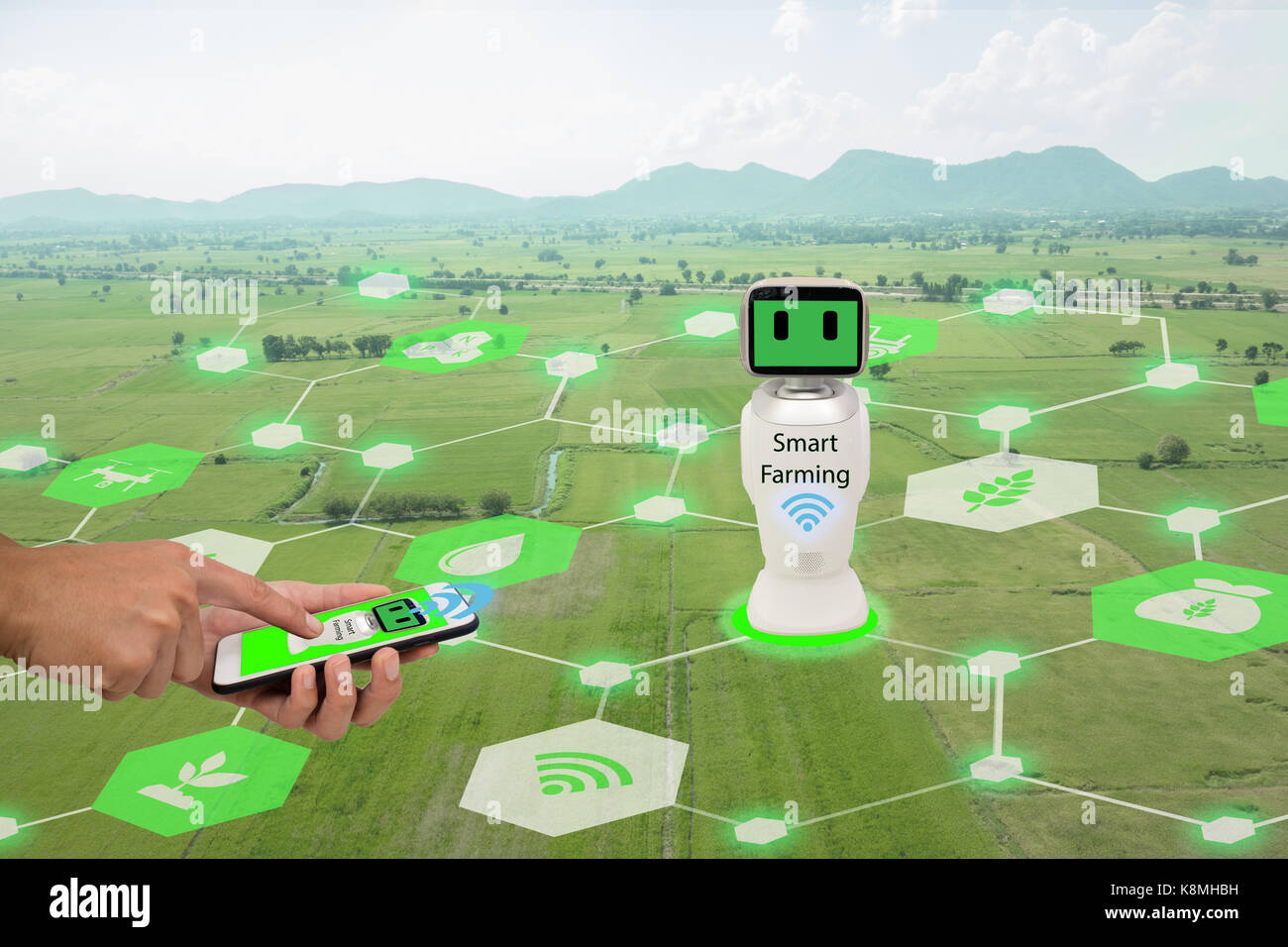
The agriculture sector is undergoing a revolutionary transformation thanks to modern innovations. Among these, smart agriculture Technologies Driving Precision Farming has emerged as a key factor in enhancing productivity, sustainability, and efficiency in farming operations. By leveraging technology, farmers are now able to make data-driven decisions that improve crop yield and reduce resource wastage.
What Are Smart Agriculture Technologies?
Smart agriculture technologies encompass a range of tools and systems designed to monitor, analyze, and optimize agricultural practices. These include:
- IoT Sensors: Track soil moisture, temperature, and nutrient levels in real-time.
- Drones and Aerial Imaging: Provide precise mapping of fields to detect crop health issues.
- GPS-Guided Machinery: Ensures accurate planting, watering, and harvesting.
- Automated Irrigation Systems: Deliver water efficiently based on soil and crop needs.
These technologies form the backbone of precision farming, allowing farmers to maximize output while minimizing environmental impact.
How Precision Farming Benefits From Smart Technologies
The integration of smart tools in agriculture enables precision farming, which focuses on the exact needs of crops at specific times and locations. Key benefits include:
- Increased Crop Yield: Data-driven insights allow for optimal planting and fertilization.
- Resource Efficiency: Smart sensors and AI reduce water, fertilizer, and pesticide usage.
- Cost Reduction: Automation and accurate monitoring cut operational costs.
- Environmental Sustainability: Precise application of resources prevents overuse and reduces pollution.
By adopting Smart Agriculture Technologies Driving Precision Farming, farmers can achieve more predictable results and maintain soil health for future generations.
Future Trends in Smart Agriculture
The future of agriculture is increasingly dependent on technological innovation. Upcoming trends include:
- Artificial Intelligence (AI) Analytics: AI will analyze complex datasets to provide actionable farming insights.
- Robotics: Autonomous machines will handle repetitive tasks, freeing farmers for strategic decision-making.
- Blockchain: Ensures traceability and transparency in the food supply chain.
- Climate-Adaptive Farming: Smart technologies will help farmers adjust practices according to climate conditions.
These advancements ensure that Smart Agriculture Technologies Driving Precision Farming will remain essential in the quest for sustainable, high-efficiency farming.
Conclusion
The adoption of Smart Agriculture Technologies Driving Precision Farming is reshaping the agricultural landscape. By combining IoT, AI, drones, and automation, farmers can achieve higher yields, lower costs, and sustainable farming practices. As these technologies evolve, precision farming will become even more precise, productive, and environmentally friendly, paving the way for a smarter and greener agricultural future.
