


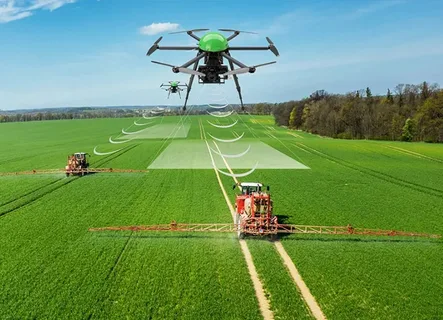
In today’s rapidly evolving agricultural landscape, the demand for higher crop yields and more efficient farming practices has never been greater. Farmers are seeking innovative solutions that maximize productivity while minimizing waste and environmental impact. One approach that has revolutionized modern farming is precision agriculture, a technology-driven method that allows for more precise and effective management of crops and resources.
Understanding Precision Agriculture
Precision agriculture involves using advanced technologies such as GPS, IoT sensors, drones, and data analytics to monitor and manage every aspect of crop production. By collecting real-time data on soil health, moisture levels, and crop growth, farmers can make informed decisions tailored to the specific needs of each part of their field. This targeted approach reduces unnecessary inputs, such as water, fertilizers, and pesticides, ultimately saving costs and protecting the environment.
Benefits of Precision Agriculture
1. Enhanced Crop Yield
One of the primary goals of precision agriculture is improving yield and efficiency through precision agriculture. By analyzing soil and crop data, farmers can identify areas that require more attention and optimize planting and harvesting schedules. This ensures that crops receive the right amount of nutrients and care, leading to healthier plants and higher productivity.
2. Resource Efficiency
Precision agriculture helps farmers optimize the use of essential resources. Automated irrigation systems, guided by soil moisture sensors, deliver water precisely where it is needed. Similarly, variable-rate fertilizer application reduces overuse and minimizes environmental runoff. This targeted management approach contributes significantly to improving yield and efficiency through precision agriculture.
3. Cost Reduction
By reducing waste and optimizing resource allocation, precision agriculture also lowers operational costs. Farmers can monitor equipment usage, predict maintenance needs, and streamline labor, making the entire farming process more economical. This efficiency translates to better profit margins without compromising crop quality or environmental sustainability.
Future Outlook
The future of farming lies in technological integration. With continuous advancements in artificial intelligence, machine learning, and robotics, the potential for improving yield and efficiency through precision agriculture is immense. Smart farming solutions will enable farmers to make predictive decisions, manage risks effectively, and ensure sustainable food production for a growing global population.
Conclusion
Precision agriculture is transforming the way we approach farming by combining technology, data, and sustainability. By embracing this method, farmers can achieve higher yields, optimize resource usage, reduce costs, and protect the environment. Ultimately, improving yield and efficiency through precision agriculture is not just a goal—it is becoming a standard practice for modern, successful agriculture.
