

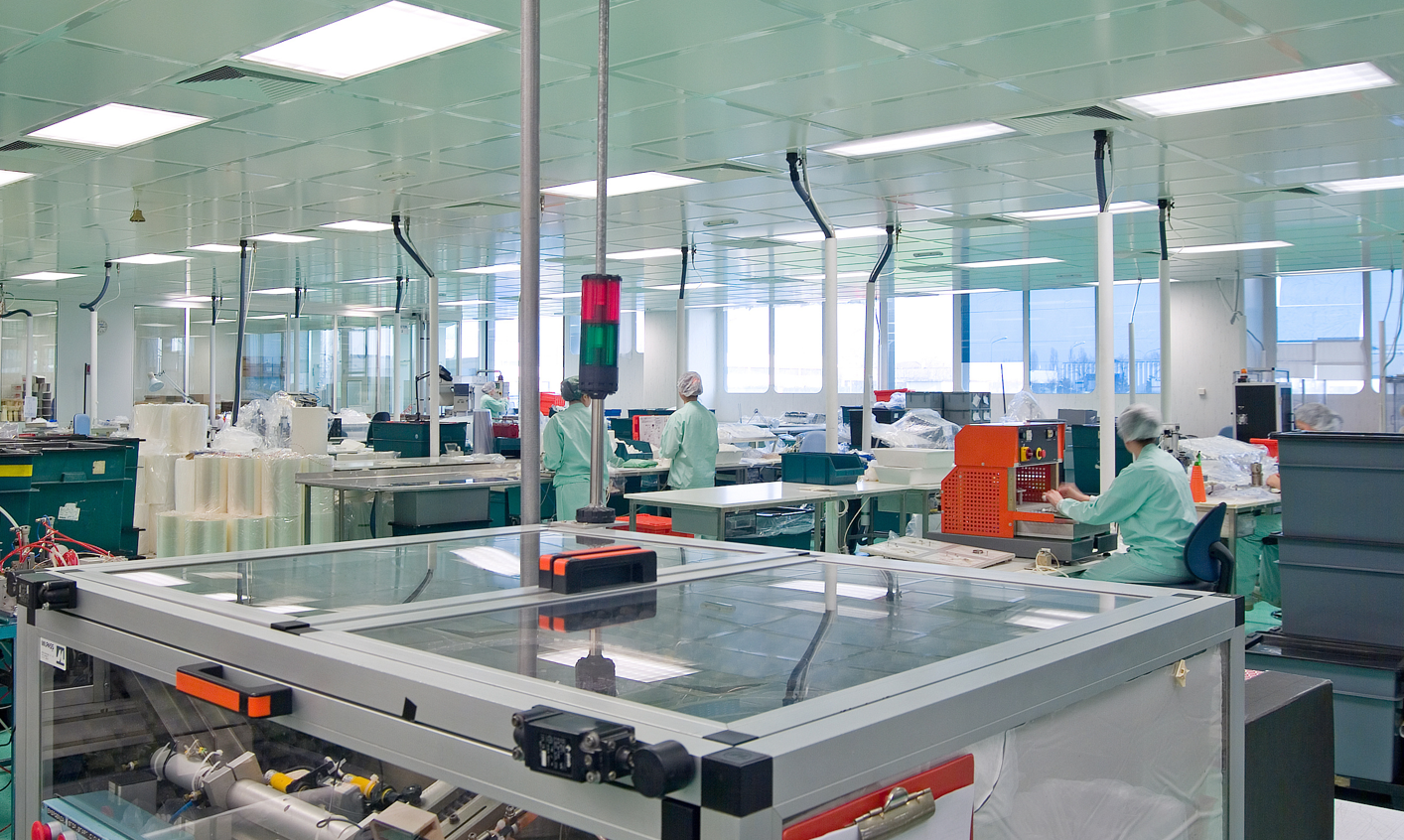
Cleanrooms are essential in industries where precision, safety, and compliance are non-negotiable. From pharmaceuticals to electronics, these controlled environments protect products from contamination and ensure adherence to strict regulatory standards. Maintaining a cleanroom demands specialized cleaning practices that align with industry regulations and quality expectations.
In this article, we’ll explore how cleanroom cleaning services play a vital role in helping businesses meet compliance requirements while safeguarding their operations.
Meeting Stringent Regulatory Standards
Regulated industries such as pharmaceuticals, biotechnology, and medical device manufacturing must comply with strict guidelines set by organizations like the FDA and ISO. These standards dictate how cleanrooms should be maintained to prevent contamination and ensure product safety.
Cleanroom cleaning services are designed to meet these requirements by following validated procedures and using approved cleaning agents. Every step, from wiping surfaces to controlling airborne particles, is performed with compliance in mind. By adhering to these standards, businesses reduce the risk of regulatory violations and protect their reputation in highly competitive markets.
Reducing Contamination Risks in Sensitive Environments
Contamination is one of the greatest threats to cleanroom operations. Even small particles, microbes, or chemical residues can compromise product quality and safety. Professional cleanroom cleaning services focus on minimizing these risks through specialized techniques. They use lint-free wipes, HEPA-filtered vacuums, and disinfectants that are safe for sensitive environments.
Floors, walls, and equipment are cleaned with precision to maintain controlled conditions. This level of care ensures that cleanrooms remain compliant with industry standards while protecting the integrity of products. For industries where patient safety or technological reliability is at stake, contamination control is not optional—it is essential.
Supporting Operational Efficiency and Productivity
Compliance is not only about meeting regulations; it also impacts productivity. A cleanroom that is properly maintained allows employees to work more efficiently and reduces downtime caused by contamination issues. Cleanroom cleaning services help businesses maintain consistent operations by preventing costly disruptions.
When environments are kept clean and compliant, production schedules remain on track, and quality assurance processes run smoothly. This proactive approach supports long-term efficiency and helps companies meet customer demands without compromising safety or compliance.
Leveraging Expertise From Professional Cleanroom Teams
Not all cleaning services are equipped to handle the demands of regulated industries. Cleanroom cleaning requires specialized training, equipment, and knowledge of compliance standards. Cleanroom cleaning services offered by professionals, like Advanced Cleanroom Microclean (ACM), provide the expertise needed to maintain these critical environments.
These professionals understand the unique requirements of different industries and tailor their cleaning protocols accordingly. By partnering with experienced teams, businesses gain confidence that their cleanrooms are maintained to the highest standards. This expertise not only supports compliance but also strengthens overall quality assurance.
Enhancing Documentation and Audit Readiness
Regulated industries must maintain detailed records of their cleaning and maintenance activities. Documentation is a key part of compliance, as it demonstrates that proper procedures are followed consistently. Professional cleanroom cleaning services provide thorough documentation of their work, including cleaning schedules, methods used, and materials applied.
This information is invaluable during audits or inspections, as it shows regulators that the company is committed to maintaining compliance. With proper documentation, businesses can respond confidently to regulatory inquiries and avoid potential penalties.
Adapting to Industry-Specific Needs
Different industries have unique cleanroom requirements. For example, pharmaceutical companies must control microbial contamination, while electronics manufacturers focus on eliminating dust and particles. Cleanroom cleaning services adapt their methods to meet these specific needs. They select cleaning agents, tools, and techniques that align with the industry’s compliance standards.
This tailored approach ensures that each cleanroom is maintained according to its purpose and regulatory framework. By customizing services, professionals help businesses achieve compliance while supporting the unique demands of their operations.
Conclusion
Cleanroom cleaning services are more than a maintenance solution—they are a compliance partner for regulated industries. By reducing contamination risks, supporting operational efficiency, and providing expert documentation, these services help businesses meet strict regulatory standards. In industries where precision and safety are critical, investing in professional cleanroom cleaning services is a proactive step toward long-term success and compliance.
