


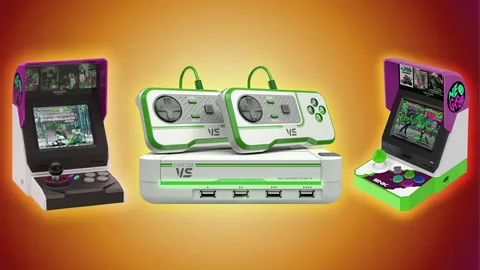
The world of video gaming has evolved dramatically over the decades, yet there’s a timeless charm to older gaming systems. From pixelated graphics to iconic soundtracks, retro consoles continue to capture the imagination of both nostalgic gamers and new enthusiasts. This article explores why the transition from 8-Bit to 16-Bit has left such a lasting appeal in the gaming community.
The Rise of 8-Bit Gaming
In the early 1980s, 8-bit consoles became household staples. Systems like the Nintendo Entertainment System (NES) introduced gamers to a world of platformers, adventure games, and early RPGs. Despite their technological limitations, 8-bit games were groundbreaking for their time, offering simple yet addictive gameplay and iconic characters that remain beloved today.
Transition to 16-Bit Brilliance
The shift from 8-Bit to 16-Bit marked a significant leap in gaming technology. With more powerful processors and improved graphics, 16-bit consoles like the Super Nintendo Entertainment System (SNES) and the Sega Genesis offered richer visuals, more complex game worlds, and enhanced soundtracks. This upgrade provided players with a more immersive experience while retaining the charm and creativity of earlier games.
Why Retro Consoles Still Captivate
There’s something inherently appealing about revisiting games from the 8-bit and 16-bit eras. The appeal of a retro game console lies not just in nostalgia, but also in its simplicity and focus on gameplay. Modern gamers often find the straightforward yet challenging mechanics refreshing compared to the complex, hyper-realistic games of today. Collectors also enjoy the physicality of cartridges and the unique designs of classic consoles, making these devices cultural icons in their own right.
The Lasting Legacy
The influence of retro gaming continues to shape the industry. Indie developers frequently draw inspiration from 8-bit and 16-bit aesthetics, while modern consoles and handheld devices offer classic game libraries for both old and new players. It’s clear that the journey from 8-Bit to 16-Bit has left an indelible mark, highlighting the timeless nature of great game design and the enduring appeal of retro consoles.
Retro gaming is more than just a trend—it’s a celebration of creativity, history, and the joy of playing. Whether you’re a veteran gamer or discovering these classics for the first time, the magic of moving from 8-Bit to 16-Bit continues to captivate players worldwide.
