


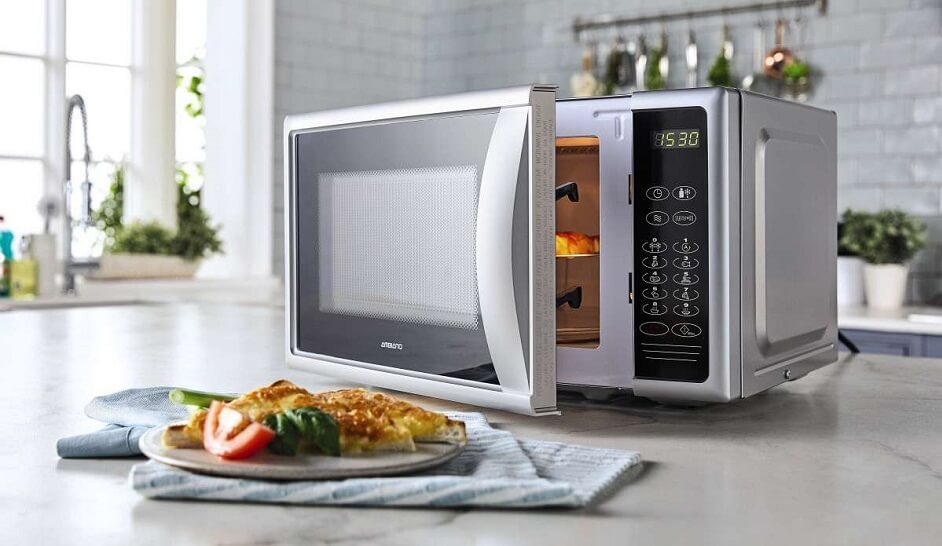
In today’s fast-paced world, kitchen appliances have become essential tools that simplify meal preparation. Two of the most common appliances are the microwave and the oven. But when it comes to choosing between them, many people wonder which one is better suited for their cooking needs. In this article, we will explore the key differences between these two appliances and help you decide which one is the right fit for your kitchen.
Understanding the Basics: Microwave vs. Oven
Before diving into which appliance is best for your cooking needs, let’s first understand how microwaves and ovens work.
Microwave: Quick and Convenient
A microwave uses electromagnetic waves to heat food quickly. The microwave’s energy excites water molecules in the food, causing them to vibrate and generate heat. This heat cooks the food from the inside out. Microwaves are typically faster than traditional ovens and are known for their convenience.
Oven: Slow, But Even Cooking
Ovens, on the other hand, cook food using dry heat. They can either be electric or gas-powered. The heat is evenly distributed throughout the oven cavity, allowing for thorough cooking. Ovens are ideal for dishes that require a longer cooking time, such as baking, roasting, and broiling.
Microwave vs. Oven: Cooking Time
One of the most significant differences between a microwave and an oven is cooking time.
Microwave: Speed is Key
The microwave is a champion of speed. When you need to reheat leftovers, defrost frozen food, or quickly prepare a simple meal, the microwave is your go-to option. For example, reheating a cup of soup in a microwave takes just a few minutes, while in an oven, the same task could take ten to fifteen minutes. The microwave’s ability to cook food in a fraction of the time makes it perfect for busy lifestyles.
Oven: Slow and Steady
Ovens take longer to cook food but provide a more even and consistent result. Baking a cake, roasting a chicken, or making pizza all require an oven for optimal results. The slow, even heat helps develop flavors and textures that a microwave can’t replicate. However, for time-sensitive meals, an oven might not be the best choice.
Microwave vs. Oven: Versatility and Cooking Methods
Another aspect to consider when comparing the microwave and oven is their versatility and the types of cooking methods they can handle.
Microwave: Limited Cooking Methods
Microwaves are best for reheating, defrosting, and simple cooking tasks like steaming vegetables or cooking microwave-friendly meals. While you can make basic dishes like popcorn, scrambled eggs, or oatmeal, microwaves are not ideal for intricate or complex recipes. The lack of direct heat and the limited cooking methods available make it less versatile than an oven.
Oven: All-in-One Cooking Tool
An oven is much more versatile in terms of cooking methods. It can bake, broil, roast, and grill. It’s the appliance of choice for preparing a wide range of dishes—from hearty casseroles to delicate pastries. Ovens also allow for more precise temperature control, giving you the ability to customize cooking times and temperatures to achieve the desired result.
Microwave vs. Oven: Energy Efficiency and Cost
While both appliances serve distinct purposes, their energy efficiency and cost can influence your decision.
Microwave: More Energy-Efficient for Quick Tasks
Because microwaves cook food quickly, they are generally more energy-efficient for tasks like reheating food or cooking small meals. They consume less power compared to an oven, especially when you only need to heat a single dish. However, when it comes to cooking larger meals, an oven might not be as energy-efficient.
Oven: Higher Energy Consumption
Ovens typically use more energy because they take longer to heat up and cook food. While they are necessary for certain dishes, the extended cooking time means more energy consumption. Gas ovens tend to be more energy-efficient than electric ovens, but the difference is still significant compared to a microwave.
Microwave vs. Oven: Which One is Better for Your Cooking Needs?
The question of whether a microwave or an oven is better depends on your cooking habits, available time, and the types of meals you enjoy preparing.
Choose a Microwave If You:
- Need to cook or reheat food quickly.
- Have limited space or prefer a more compact appliance.
- Typically cook simple meals or only need to reheat leftovers.
- Want a more energy-efficient option for small cooking tasks.
Choose an Oven If You:
- Enjoy cooking elaborate meals that require baking, roasting, or grilling.
- Need an appliance that can handle large quantities of food.
- Value even, thorough cooking and precise temperature control.
- Have the time and space for a larger appliance.
Conclusion
Both microwaves and ovens have their unique advantages, and the best appliance for you ultimately depends on your cooking style and needs. A microwave excels in speed and convenience, while an oven shines in versatility and the ability to create more complex dishes. For a well-rounded kitchen, having both appliances could provide the perfect balance of efficiency and cooking power.
