


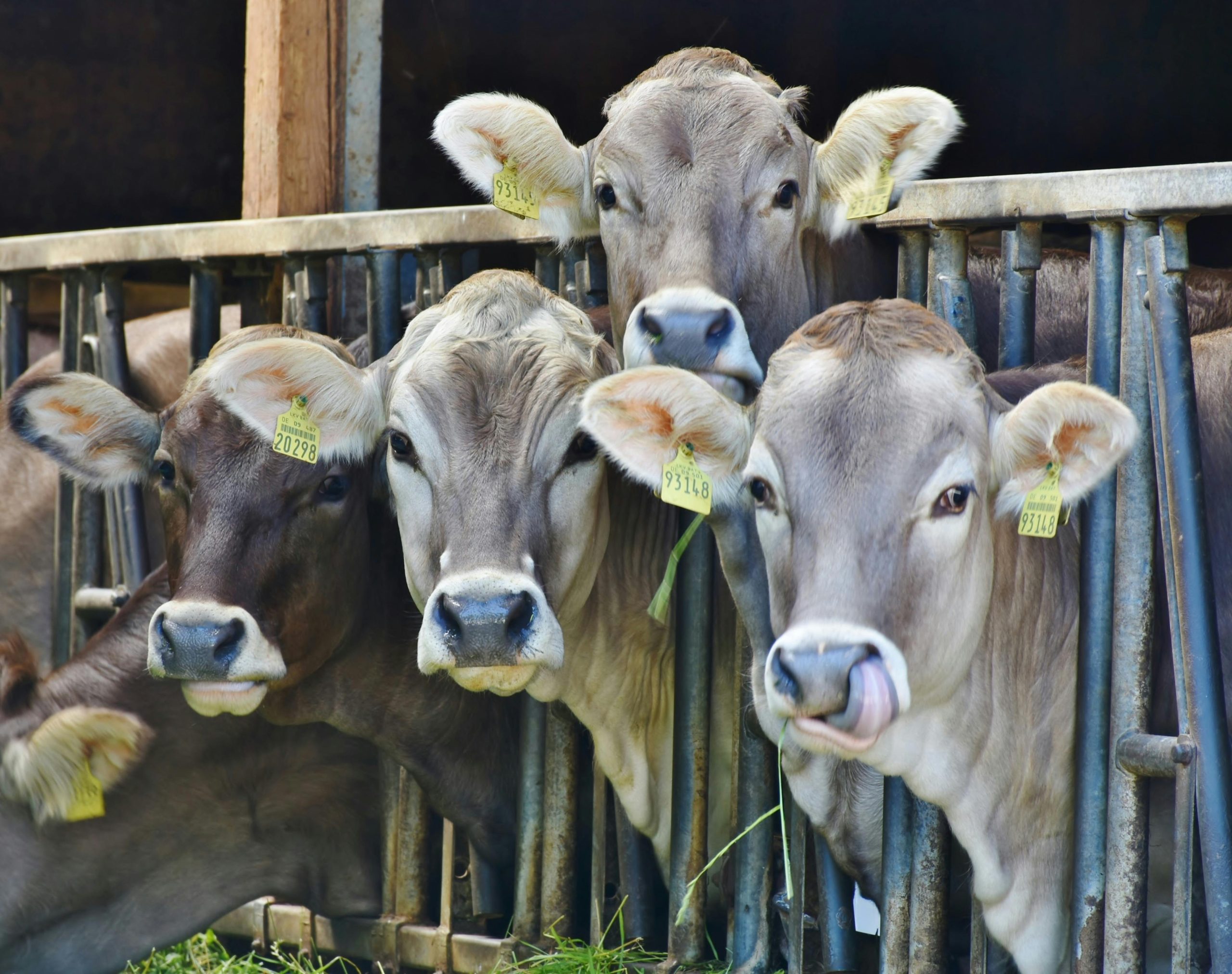
Antibiotics are powerful tools in maintaining the health of livestock and poultry, but they are not a solution for every farm-related problem. Many common issues, such as stress from weather changes, poor nutrition, or unsanitary living conditions, can mimic illness symptoms. In these cases, improving daily care often solves the problem without any medication. Understanding the difference between true bacterial infections and environmental stressors protects animals, prevents unnecessary treatments, and supports long-term farm health.
A veterinarian is the best person to confirm whether a bacterial infection is present. Bacteria are tiny living organisms that can cause illness and respond to antibiotics, while viruses and other non-bacterial causes do not. By limiting antibiotic use to confirmed bacterial cases, farmers can help maintain the effectiveness of these medications over time. Responsible administration benefits both the animals’ recovery and the farm’s overall productivity.
Choosing the Correct Medication
Not all antibiotics work the same way, even if their names sound similar. Ampicillin trihydrate is a great example of a medication designed to target specific bacterial infections in livestock and poultry. It works by stopping bacteria from growing, allowing the animal’s own immune system to fight the infection more effectively.
The key is matching the health issue to the proper medication. When ampicillin trihydrate is chosen appropriately, it can speed up recovery and ensure consistent results across an entire flock or herd. Thoughtful selection also helps prevent unnecessary stress on the animals and reduces the risk of bacterial resistance.
Following Directions Consistently
Once treatment begins, following directions is just as important as choosing the right medication. Labels provide clear instructions on dosage, frequency, and duration, based on research and real-world veterinary experience. Skipping steps, guessing doses, or shortening the treatment period can reduce effectiveness and lead to future complications.
Consistency ensures that every animal in the group receives the proper amount of medication. Uneven dosing, whether in feed or water, can result in some animals recovering faster while others continue to suffer. Staying consistent supports better outcomes and a healthier overall herd or flock. This step may seem simple, but it is crucial for making antibiotic treatment effective.
Supporting Treatment With Good Care
Antibiotics work best when animals are already living in healthy conditions. Clean housing, dry bedding, and adequate ventilation reduce stress and help the body respond to treatment. These basic husbandry practices often make a bigger difference than medication alone. Even the most effective antibiotic cannot fully compensate for poor management.
Nutrition and access to clean water are equally important. A well-fed animal has a stronger immune system, which naturally fights infection. Antibiotics support the immune system but do not replace it. Combining medication with good daily care ensures that treatment is more effective and recovery is faster.
Monitoring Animals During Treatment
Observing animals closely during treatment is one of the most valuable practices a farmer can adopt. Changes in appetite, behavior, or movement can indicate improvement or signal a problem that needs attention. Early observation allows adjustments to be made before minor issues become major concerns.
It is also critical to complete the full course of treatment, even if animals appear healthy before the medication is finished. Stopping early can allow bacteria to survive, multiply, and potentially cause future infections. Completing treatment helps prevent repeat illness and ensures that the antibiotic works as intended.
Protecting Health Today and Tomorrow
Responsible antibiotic use balances immediate needs with long-term considerations. These medications remain valuable tools when used carefully and with purpose. Knowing when to treat, which product to choose, and how to administer it properly makes a real difference in animal welfare and farm success. Thoughtful practices protect both livestock and poultry, as well as the business that depends on them.
By pairing antibiotics with strong daily care, farmers set their animals up for success. Clean environments, proper nutrition, and ongoing veterinary guidance work together to support overall health. Using antibiotics responsibly today preserves their effectiveness for the future, benefiting both animals and people who rely on safe, sustainable food production.
