


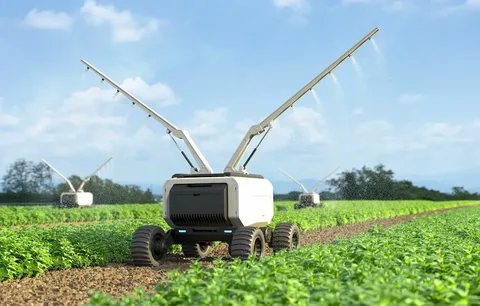
The agriculture industry is undergoing a significant transformation with the adoption of smart technologies. Smart farming integrates advanced technologies like IoT, AI, robotics, and data analytics to improve efficiency, productivity, and sustainability. However, this transformation comes with its own set of hurdles and prospects. This article explores the challenges and opportunities in smart agriculture farming and their impact on modern agriculture.
Understanding Smart Farming
Smart farming involves the use of digital tools and automated systems to monitor and manage crops, livestock, and resources. By leveraging sensors, drones, GPS, and predictive analytics, farmers can make data-driven decisions, optimize resource usage, and reduce environmental impact. While the potential benefits are immense, the journey toward fully digitalized agriculture is complex.
Key Challenges in Smart Farming
1. High Initial Investment
One of the most significant barriers to adopting smart farming technologies is the high upfront cost. Advanced sensors, autonomous machinery, and AI-driven analytics tools require substantial financial investment, making it challenging for small and medium-scale farmers to adopt these solutions.
2. Technical Skills and Training
Implementing smart farming requires skilled personnel who can operate and maintain advanced equipment. Many farmers lack the technical knowledge needed to utilize these systems effectively, resulting in underutilization of technology.
3. Data Management and Security
Smart farming generates vast amounts of data related to soil conditions, crop health, and livestock behavior. Managing this data efficiently and ensuring its security is a significant challenge, especially with increasing concerns over data privacy and cyber threats.
Opportunities in Smart Farming
1. Increased Productivity and Efficiency
Smart farming allows farmers to optimize irrigation, fertilization, and pest control processes. By leveraging data analytics and automated systems, farmers can significantly improve yield while reducing resource wastage.
2. Sustainable Agriculture
The adoption of smart farming practices promotes environmental sustainability. Precision agriculture techniques help minimize chemical use, conserve water, and reduce greenhouse gas emissions, contributing to a healthier ecosystem.
3. Market Expansion and Profitability
Digital tools in agriculture enable better supply chain management and access to real-time market data. Farmers can plan production according to market demand, reduce losses, and improve profitability.
Conclusion
The integration of technology in agriculture presents a dynamic landscape of challenges and opportunities in smart farming. While high costs, technical barriers, and data security concerns remain significant challenges, the potential for increased productivity, sustainability, and profitability provides compelling opportunities for farmers worldwide. Addressing these challenges through training, innovation, and supportive policies will be key to realizing the full potential of smart farming.
